Workplace Drug & Alcohol Testing
Nationwide testing coordination for pre-employment, random, post-accident, reasonable-suspicion and other workplace testing needs.
Explore workplace testing →


DTC supports the major pieces of an employer drug and alcohol program, from testing and random-pool administration to compliance, training, FMCSA Clearinghouse support and employment screening.
Nationwide testing coordination for pre-employment, random, post-accident, reasonable-suspicion and other workplace testing needs.
Explore workplace testing →Federally regulated testing support for FMCSA, FAA, FRA, FTA, PHMSA and USCG-covered programs.
Explore DOT testing →Flexible employer-authority programs using urine, oral fluid and other testing methods where permitted.
Program administration, random pools, consortium management, testing coordination and employer support.
Explore C/TPA services →Policy support, audit readiness, DER assistance, program reviews, recordkeeping and ongoing compliance help.
Explore compliance services →Supervisor reasonable-suspicion training, DER education, employee awareness and mode-specific DOT courses.
Explore training →Motor-carrier testing, owner-operator support, Clearinghouse queries, violations and program administration.
Explore FMCSA services →Employment screening services that can be coordinated with the employer’s broader onboarding workflow.
Explore background checks →Maintaining a drug-free workplace and staying compliant should not interfere with your business.
Benefit from our compliance expertise, expansive national collection network and experienced testing professionals.
DTC provides comprehensive drug and alcohol testing solutions tailored to the needs of your organization, helping you manage testing efficiently, maintain accurate program administration and meet applicable compliance requirements.
Regulated testing leaves no room for error, and most of what goes wrong in a drug and alcohol program is administrative rather than clinical. Drug Test Compliance runs on connected digital workflows that link employers, collectors, clinics, laboratories and Medical Review Officers, alongside the credentials and laboratory network that regulated programs require.
Online scheduling, electronic forms, real-time status tracking, automated random-testing tools, document retrieval and compliance reporting, so employers can manage a testing program without chasing paper.
More than fifteen years administering DOT and non-DOT drug and alcohol testing programs for employers across the United States.

Member of the National Drug & Alcohol Screening Association, the industry body representing collectors, C/TPAs, laboratories and service agents in regulated testing.

Federally regulated specimens are analyzed at HHS/SAMHSA-certified laboratories, with results verified by a Medical Review Officer before release to the employer.
We coordinate testing through a national laboratory network, matching the specimen type and panel to the program requirement and the employer’s location.
Drug Test Compliance makes it easy to order non-DOT laboratory drug testing nationwide. Choose your test, enter the donor information, select a convenient collection site and receive your Donor Pass online.
Need a one-time drug test for employment, court, school, probation, personal or another non-DOT testing need? Review available laboratory panels and begin your order online.
View Tests & Order Online →Start with your state to view local testing information, available collection-site access and city-specific drug-testing options.
Browse Drug Testing Locations →Employers that need recurring pre-employment, random, post-accident, reasonable-suspicion or multi-location testing can build a managed workplace testing program with DTC.
Explore Non-DOT Employer Programs →Choose a state below or visit our nationwide testing hub to access commercial drug-testing information and collection options across the United States.
Looking for employer compliance rules instead? Visit our Workplace Drug Testing Laws by State or Marijuana Employment Laws resources.
Explore the core services employers use to build, manage and maintain effective workplace testing and compliance programs.
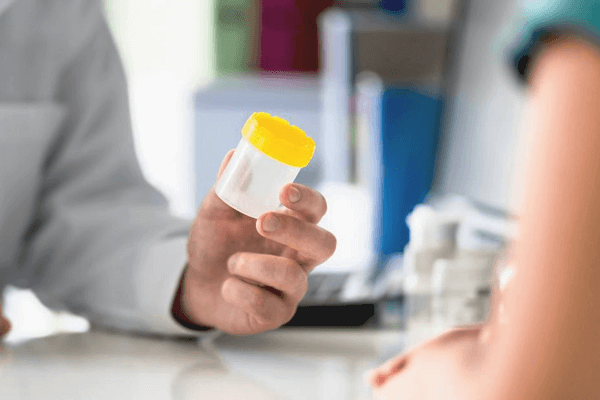
Federally regulated drug and alcohol testing support for DOT-covered employers.

Supervisor, DER, employee and DOT-specific compliance training programs.
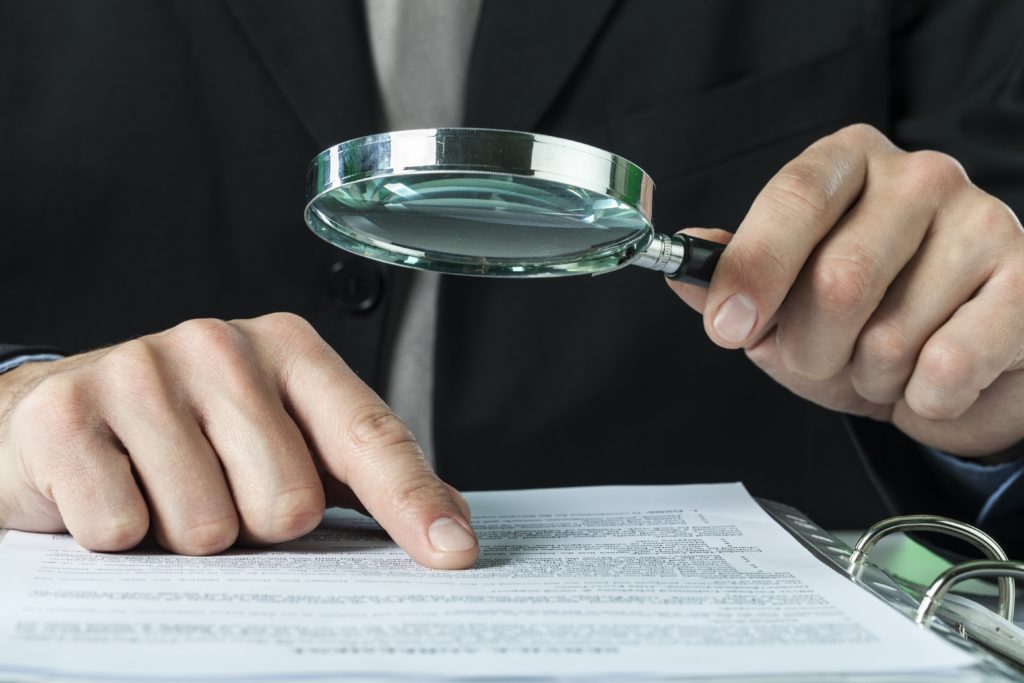
Policy, audit-readiness, DER and ongoing DOT compliance program support.

Random pools, consortium management, testing coordination and program administration.
Drug Test Compliance provides nationwide workplace drug and alcohol testing services for employers that need dependable testing, program administration and compliance support. Our services include DOT and non-DOT drug testing, pre-employment testing, random testing, post-accident testing, reasonable-suspicion testing, return-to-duty and follow-up testing, C/TPA services, FMCSA Clearinghouse support, compliance training and nationwide collection coordination.
Employers can use DTC to coordinate workplace drug and alcohol testing across multiple locations and testing reasons. We support DOT-regulated testing as well as non-DOT drug testing, including urine and oral-fluid testing where appropriate. Programs can include pre-employment, random, post-accident, reasonable suspicion and other employer-authorized testing requirements.
DTC helps employers manage DOT drug and alcohol testing requirements, FMCSA testing programs, Clearinghouse responsibilities, owner-operator compliance, random testing, return-to-duty requirements and follow-up testing. Employers can also access DOT compliance services and supervisor, DER and employee training.
Our C/TPA services support employers that need a centralized partner for random pools, consortium management, testing coordination, laboratory and MRO workflows, recordkeeping and ongoing program administration. DTC’s nationwide collection network helps employers manage testing across the United States while maintaining a consistent program structure.
Workplace drug testing requirements can vary depending on whether an employee is covered by a federal DOT regulation or by an employer’s non-DOT workplace policy. State laws can also affect testing procedures, marijuana and THC testing, applicant testing, random testing and the use of particular specimen types. Employers operating in multiple states can use our state drug-testing compliance resources, workplace drug-testing laws by state and marijuana employment laws by state as practical starting points.
Whether your organization needs a single pre-employment drug test, a nationwide random-testing program, immediate post-accident or reasonable-suspicion coordination, DOT compliance support or full C/TPA program administration, Drug Test Compliance can help organize the testing process around the needs of your workforce.
Tell us what type of workforce you manage, where your employees are located and what testing or compliance support you need.
Contact Drug Test ComplianceDOT testing follows federal regulations for employees performing covered safety-sensitive transportation work. Non-DOT testing is conducted under an employer’s workplace policy and applicable state and local law. The programs use different forms, procedures and compliance requirements and should be kept separate.
A consortium or third-party administrator can coordinate testing, random pools, consortium management, laboratory and Medical Review Officer workflows, records and ongoing program support for an employer.
Yes. Drug Test Compliance coordinates workplace drug and alcohol testing through a nationwide collection network and supports employers with employees in one or multiple states.
Yes. Drug Test Compliance supports motor carriers and owner-operators with FMCSA drug and alcohol testing programs, Clearinghouse responsibilities, queries and related program administration.
Yes. For immediate post-accident, reasonable-suspicion and other urgent testing requests, call our 24-hour Immediate Service Request line at (833) 474-8002.
Negative laboratory results are commonly available within one to two business days of the specimen reaching the laboratory. Non-negative results take longer because they require confirmation testing and Medical Review Officer review before a final result is released to the employer.
FMCSA publishes annual minimum random testing rates for drug and alcohol testing, applied to the average number of driver positions in the random pool. The rates can change from year to year, so employers should confirm the current published rate before setting selection volumes.
Cost depends on the panel, the specimen type, whether the test is DOT-regulated and whether it is part of an ongoing program. Employers on a C/TPA program are typically quoted per test with program administration included. Contact us for pricing based on workforce size and testing volume.
Nationwide testing coordination and compliance support, with a Bronx office serving employers and individuals in the New York City area.